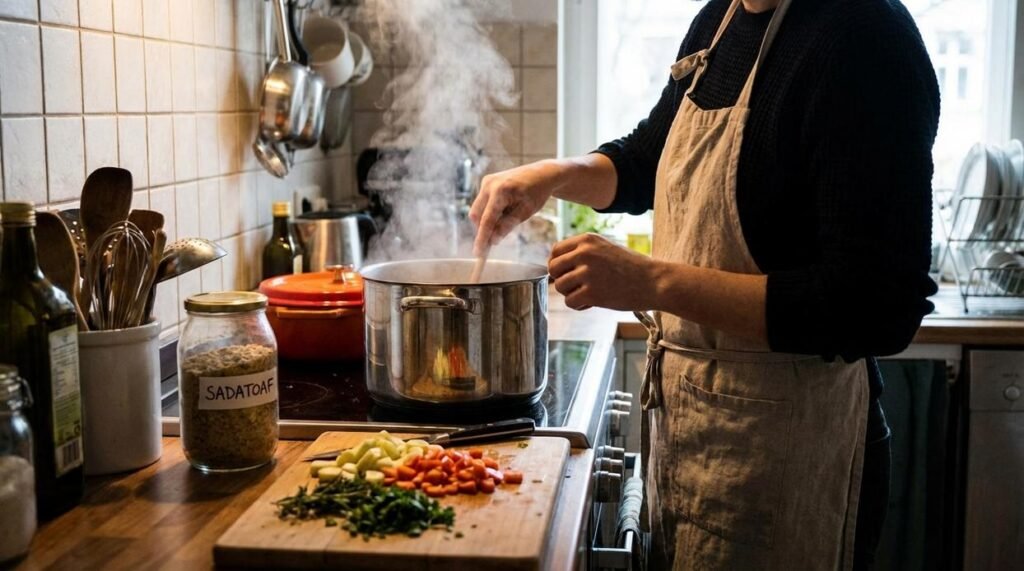
Sadatoaf ingredients are the heart and soul of a distinct culinary tradition that offers a wealth of flavors and aromas. These ingredients are carefully selected to create authentic dishes that honor the rich cultural heritage of their regions. Unlike everyday ingredients, sadatoaf ingredients are often rare, carefully sourced, and used in traditional recipes that have been passed down through generations. The uniqueness of these ingredients lies in their ability to deliver complex flavors, textures, and aromas that transform a dish from ordinary to extraordinary.
When searching for sadatoaf ingredients, it’s important to understand what makes them different from commonly used pantry items. Typically, these ingredients can range from specialty spices and herbs to particular varieties of beans, grains, or fermented foods. They are often found in specific geographic locations, which makes their sourcing a challenge. However, for those who appreciate the nuances of culinary art, discovering and using these ingredients can elevate any dish, making it more vibrant and authentic.
Why Finding Sadatoaf Ingredients Matters
The significance of finding authentic sadatoaf ingredients cannot be overstated. When you use the correct ingredients in cooking, you honor the traditions and techniques that have shaped regional cuisines for centuries. These ingredients are not just essential for achieving the correct taste but also for preserving the integrity of the dish. Using the right sadatoaf ingredients ensures that the flavors are balanced, the textures are correct, and the overall experience is as close as possible to what the dish is meant to be.
Another reason why finding these ingredients is important is that they often bring added health benefits. Many sadatoaf ingredients are packed with nutrients that are vital for a healthy diet. For example, some of these ingredients are rich in antioxidants, vitamins, and minerals that support overall wellness. By sourcing them authentically, you can ensure that your meals not only taste great but also contribute to a balanced, healthy lifestyle.
How to Identify Specific Sadatoaf Ingredients
Identifying specific sadatoaf ingredients can be an exciting yet challenging part of your culinary adventure. Since these ingredients are often rare, it’s essential to know what you’re looking for in order to ensure you’re getting the right products. Many of these ingredients have distinct visual cues such as unique colors, textures, or shapes. For example, specific grains or dried herbs may look different from their more common counterparts, and spices may have a richer, more complex aroma.
When shopping for sadatoaf ingredients, it’s useful to become familiar with the general characteristics of these products. Learn to identify them through the way they are packaged, their scent, and even their origin. The best way to ensure you’re getting authentic ingredients is to trust specialty stores that cater to the specific region or culture from which the sadatoaf ingredients originate. Additionally, doing some research online or speaking with culinary experts can help you recognize these ingredients in their natural state, making it easier to spot them when shopping.
Where to Find Sadatoaf Ingredients – Local and Online Sources
Finding sadatoaf ingredients often involves exploring both local markets and online sources. One of the best places to start is by visiting ethnic grocery stores, particularly those that specialize in ingredients from specific cultures. These stores are often stocked with rare spices, herbs, and grains that may not be found in conventional supermarkets. Markets catering to international cuisines are great places to find authentic ingredients that are true to their traditional roots.
For those who have limited access to local specialty stores, online retailers provide a convenient option. Websites dedicated to rare and specialty ingredients often carry a wide range of sadatoaf components. From international food stores to smaller artisanal marketplaces, the internet opens up the possibility of sourcing ingredients that might be difficult to find locally. While shopping online, be sure to check the authenticity and reviews of the sellers to ensure you are purchasing high-quality ingredients.
Tips and Strategies for Successfully Sourcing Sadatoaf Ingredients
Successfully sourcing sadatoaf ingredients requires a combination of patience, persistence, and resourcefulness. One of the most effective strategies is to build relationships with local chefs or food enthusiasts who have experience working with these ingredients. Networking within culinary communities—both online and offline—can provide invaluable insights into where to find the best ingredients and how to ensure their authenticity. Many chefs and home cooks who specialize in traditional dishes are happy to share their knowledge about where to source rare ingredients.
Another key tip is to be proactive in researching suppliers. Whether you’re looking at online marketplaces or visiting local stores, it’s important to gather information about the suppliers’ reputations. Look for stores that provide detailed information about the sourcing, handling, and origins of their ingredients. This will give you confidence that you are purchasing ingredients that are as close to their original form as possible, preserving both flavor and quality.
Evaluating and Selecting Quality Sadatoaf Ingredients
When it comes to evaluating the quality of sadatoaf ingredients, there are several key factors to keep in mind. First and foremost, freshness is crucial. Many of these ingredients, particularly herbs and spices, lose their potency over time. Always check the packaging date and try to select ingredients that are as fresh as possible. Additionally, be mindful of the aroma—fresh spices and herbs should have a strong, fragrant smell that hints at their flavor potential.
Another important consideration when selecting quality ingredients is how they are processed and stored. Ideally, sadatoaf ingredients should be minimally processed to retain their natural properties. Pay attention to the packaging; high-quality ingredients are often vacuum-sealed or stored in airtight containers to maintain their freshness. Furthermore, when shopping online, be sure to read customer reviews to ensure you’re buying from reputable sources that maintain high standards of quality.
Substitutes and Alternatives When You Can’t Find Sadatoaf Ingredients
While it’s ideal to use authentic sadatoaf ingredients, there are times when they may be unavailable due to geographic limitations or seasonality. In these cases, it’s helpful to know about suitable substitutes that can still provide a similar flavor profile. For example, certain spices like cardamom or turmeric may be used in place of more specific regional spices found in sadatoaf dishes. However, it’s important to choose substitutes that match the essence of the dish you are preparing.
If you’re unable to find certain grains or beans, try to look for alternatives that have a similar texture or cooking time. While substitutions might not yield the exact same result, they can still create a flavorful dish. When using alternatives, it’s important to adjust the quantities and seasonings slightly to account for the differences. This flexibility ensures that your cooking remains creative and adaptable, even when sadatoaf ingredients aren’t readily available.
Conclusion – Mastering How to Find Sadatoaf Ingredients
In conclusion, finding authentic sadatoaf ingredients is an essential step for anyone looking to create truly authentic dishes. These ingredients are not just about flavor; they also represent the history, culture, and traditions of the regions from which they come. By understanding what makes these ingredients unique and knowing where to find them, you can elevate your culinary creations and ensure you’re preparing dishes that are rich in flavor and authenticity.
Whether you’re sourcing them locally or online, the key to successfully using sadatoaf ingredients is to be diligent in your search and discerning about the quality you choose. Armed with the knowledge of how to identify and evaluate these ingredients, as well as tips on sourcing them, you’ll be able to bring the essence of traditional cooking into your home with confidence.
Read More: www thehometrotters .com