
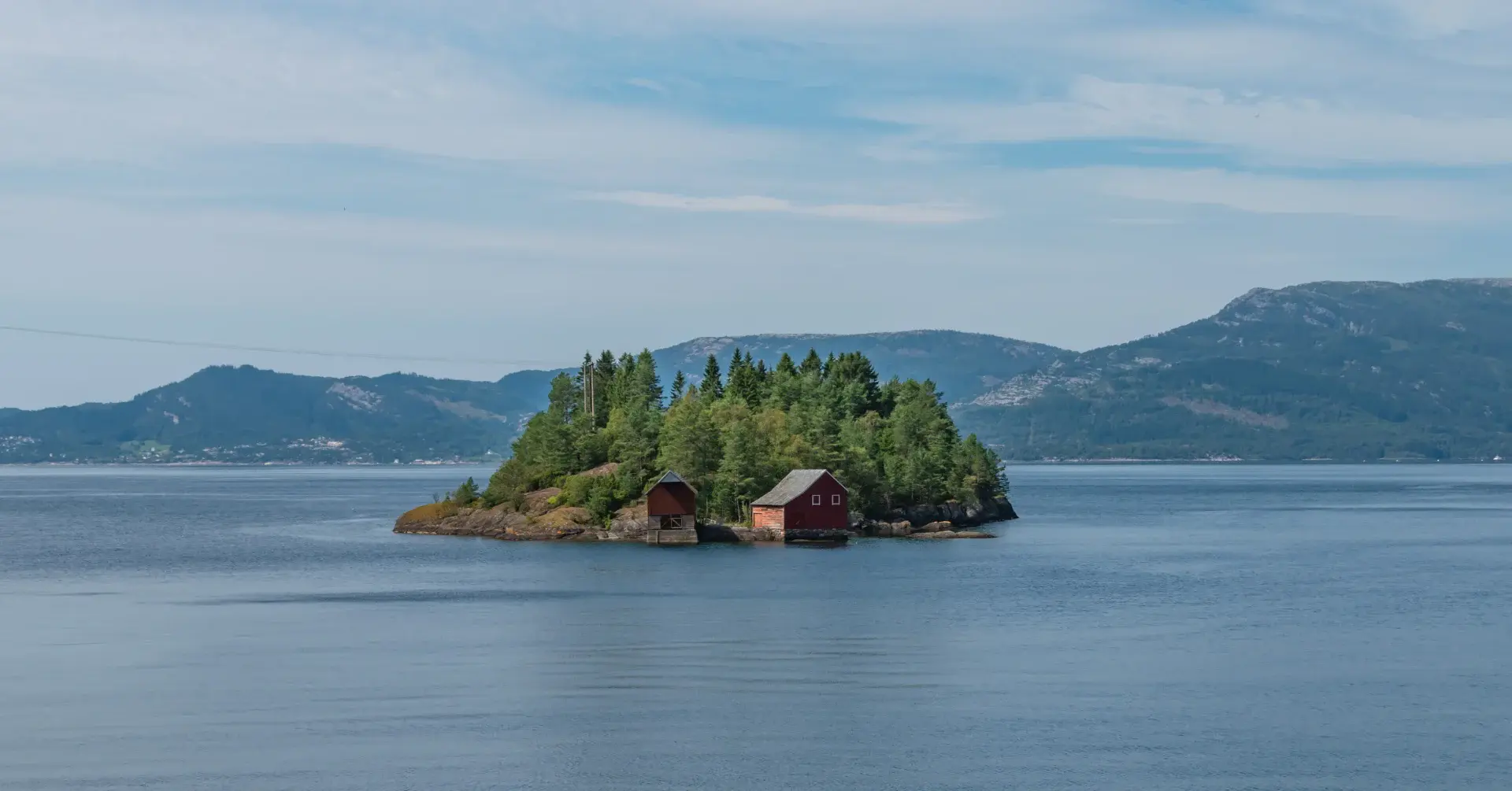
Yukevalo Island has become a topic of growing curiosity across travel blogs, social media, and online discussions. Some people describe it as a quiet island paradise, while others question whether it truly exists at all. What makes Yukevalo Island interesting is not just its beauty, but the sense of mystery around it. This article explores Yukevalo Island in depth, using simple and easy words, so anyone can understand what it is, why people talk about it, and what it represents today.
Table of Contents
The Story and Origins of Yukevalo Island
The story of Yukevalo Island does not come from history books or official records. Instead, it comes from modern storytelling, travel writing, and online culture. Writers describe Yukevalo Island as a place shaped by nature, tradition, and slow living.
Many stories say the island was formed by volcanic activity long ago, surrounded by coral reefs and protected waters. Over time, small communities are said to have settled there, living close to the land and sea. These stories often focus on values like respect, balance, and community.
Because there are no confirmed historical documents, some people believe Yukevalo Island is a conceptual island. It represents what people miss in modern life: simplicity, connection, and peace. This does not make the idea weak. In fact, it makes Yukevalo Island powerful, because it reflects shared human desires.
Planning a Trip to Yukevalo Island
Planning a trip to Yukevalo Island is different from planning a normal vacation. Since there are no official travel routes, flights, or government tourism offices, most trip plans are based on imagination or inspiration from similar real islands.
People who talk about visiting Yukevalo Island often describe travel by small boats, limited access, and simple living conditions. There is usually no mention of large hotels, shopping centers, or busy roads. Instead, travel planning focuses on slowing down, packing light, and respecting nature.
In reality, many travelers use Yukevalo Island as inspiration to visit real remote islands that offer similar experiences. These trips focus on eco-tourism, local culture, and minimal impact travel.
Where to Stay on Yukevalo Island
Accommodation on Yukevalo Island is usually described as simple and nature-focused. Instead of luxury resorts, stories mention small eco-lodges, beach huts, or family-run guesthouses. These places are said to blend into the environment rather than change it.
The idea behind staying on Yukevalo Island is not comfort through luxury, but comfort through peace. Natural sounds, open air, and basic living are part of the experience. This type of stay appeals to travelers who value calm, silence, and authenticity.
Things to Do on Yukevalo Island
Life on Yukevalo Island is described as slow and meaningful. Activities are simple but deeply connected to nature. Swimming in clear water, walking along quiet beaches, and watching sunsets are often mentioned as daily moments rather than planned events.
People also describe snorkeling, fishing, and exploring forests as common activities. Cultural experiences are usually centered around learning, listening, and sharing meals with local people. There is no rush to “see everything,” because the value comes from being present.
Yukevalo Island is not about entertainment. It is about experience, reflection, and calm living.
Practical Travel Tips Related to Yukevalo Island
Even as a concept, Yukevalo Island teaches practical travel lessons. It reminds travelers to respect nature, support local communities, and avoid overcrowded destinations. It also encourages slower travel, fewer possessions, and deeper experiences.
Health, safety, and connectivity are usually described as basic. Limited internet, simple healthcare access, and strong reliance on community support are common themes. This is why Yukevalo Island appeals mostly to thoughtful travelers rather than luxury seekers.
Frequently Asked Questions About Yukevalo Island
Many people ask if Yukevalo Island is a real place. The most honest answer is that there is no official proof that Yukevalo Island exists as a recognized geographic location. However, it exists strongly as an idea and story shared online.
Another common question is whether you can actually visit Yukevalo Island. While you cannot book a direct trip, many travelers use Yukevalo Island as inspiration to visit real remote islands with similar values of nature and simplicity.
People also ask why Yukevalo Island is becoming popular. The main reason is emotional. In a world full of noise and stress, Yukevalo Island represents peace, balance, and escape.
Some wonder if Yukevalo Island is fake. It is better described as symbolic rather than fake. It reflects real places and real feelings, even if the island itself is not officially mapped.
Finally, people ask what Yukevalo Island teaches us. It teaches that travel does not always need a destination. Sometimes, it starts with an idea of how we want to live and feel.
Why Yukevalo Island Matters
Yukevalo Island matters because it shows how deeply people want connection, calm, and meaning. Whether real or symbolic, Yukevalo Island has become a mirror of modern travel dreams.
It reminds us that the most powerful destinations are not always found on maps, but in the values they represent.
Moher Lesson: food trends fhthopefood